-
Home

-
Area We Serve
- Toronto Zoning & Housing Guide: Garden Suites, ARUs & Permit Insights



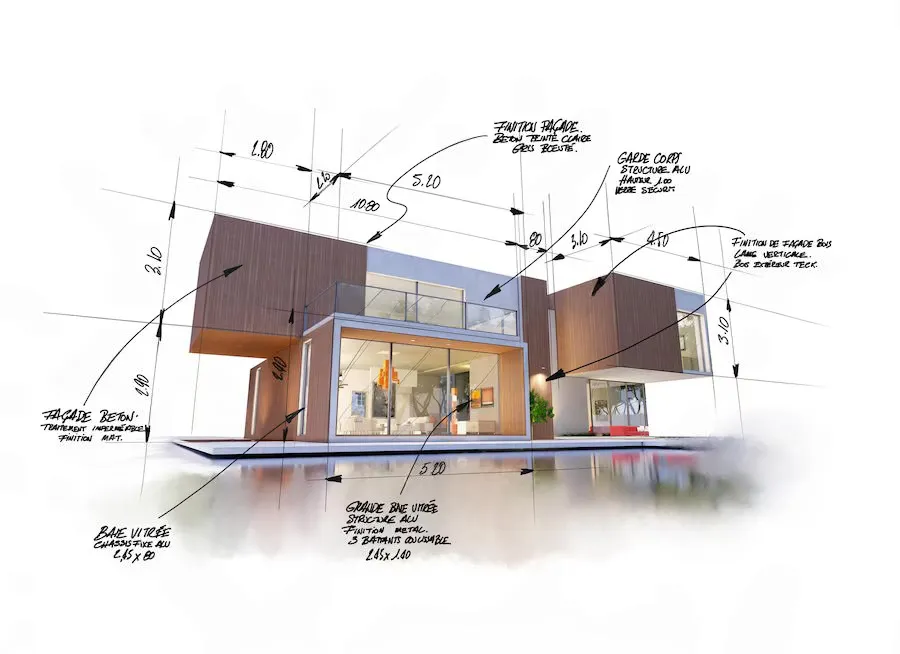
Explore Toronto zoning, ARU rules, garden suites, and legal basement requirements. Learn about city incentives, common permit challenges, and how to develop successfully.
Navigating zoning, permits, housing policy, and development incentives in Toronto, Ontario is complex but essential for developers, homeowners, and investors. With high demand for housing and evolving regulations, knowing how Toronto approaches garden suites, additional residential units (ARUs), multiplexes, and permit timelines can save time and money — and help you deliver projects that comply with local bylaws and community expectations. In this in‑depth guide, we break down Toronto’s policies, challenges, local examples, and financial tools to support your next development.
The City of Toronto has been updating zoning bylaws and planning policy to support housing diversity beyond single‑family homes. Through initiatives like Expanding Housing Options in Neighbourhoods (EHON) and amendments to Zoning By‑Law 569‑2013, the city now allows a broader range of housing types — including garden suites, laneway suites, multiplexes, and ARUs — in many residential zones. These changes align with provincial regulations such as Ontario Regulation 462/24 and aim to reduce barriers to gentle density and infill housing. (toronto.ca)
A key change came when Toronto City Council adopted Official Plan and Zoning By‑Law amendments permitting garden suites — detached accessory dwelling units located in rear yards — across most residential zones. These units are intended to add gentle density and create more housing choices in established neighbourhoods. (toronto.ca)
Garden suites are permitted if they meet performance standards such as setbacks, height limits, and zoning compatibility. A building permit is required, and depending on tree protection or other site conditions, additional tree declarations or minor variance approvals may be needed. (toronto.ca)
Despite the policy’s intent to expand housing options, Toronto has seen pushback and local debates. For example, City Council weighed removing garden suite permissions on portions of Parkmount Road due to site configuration concerns, highlighting how zoning decisions can become contested within neighbourhood contexts. (toronto.citynews.ca)
Legal basement apartments or second suites are one of the easiest ARUs to integrate — but only if they comply with both the Ontario Building Code and Toronto zoning by-laws. A legal basement needs proper egress windows, separate entrances, fire separations, and elevations that satisfy building inspectors. See our InArch guide on Legal Basements & Secondary Suites for practical steps and compliance tips.
Even with expanded zoning permissions, the practical experience of building new units isn’t always straightforward. Garden suites and ARUs, though permitted, often face delays in permit approvals due to incomplete documentation, unclear compliance with zoning regulations, or misalignment with Official Plan policies. Early engagement with planning staff is critical to avoid costly setbacks. (toronto.ca)
Toronto is advancing policies to allow more housing forms like multiplexes — duplexes, triplexes, fourplexes, and sixplexes — across broader parts of the city. This is part of the “missing middle” housing initiative, aiming to increase options beyond single-family homes and high-density towers. (toronto.ca)
To encourage housing creation and reduce cost barriers, the City of Toronto offers several incentive programs:
At InArch, we provide Toronto-specific zoning feasibility studies, development applications, minor variance support, and permit coordination. Whether you are planning a garden suite, legal basement, laneway house, multiplex, or infill project, our expertise ensures compliance, efficient approvals, and optimized outcomes.
Toronto’s zoning landscape is evolving rapidly to meet housing and density goals. Developers and property owners who understand local bylaws, leverage incentives, and prepare complete applications have the highest chance of success. Contact InArch to make your next Toronto development smoother, faster, and more profitable.